Rv Offroad
rv offroad
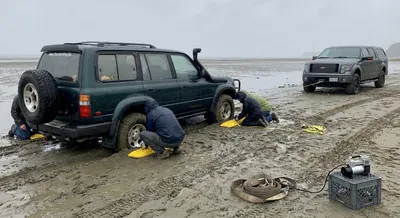
Recovery and Traction on Soft, Wet Shorelines
An example of why this happens is the dynamics of mudflats: fine silt and clay particles hold water in a gel-like matrix that looks firm but gives...
Rv Offroad
RV offroad describes taking a recreational vehicle onto unpaved, rough, or remote routes that are outside normal campgrounds and paved roads. This can range from mild gravel forest roads to very rough, rocky trails, and it requires more preparation than ordinary RV travel. Many RVs need upgrades like tougher suspension, all-terrain tires, skid plates, and better ground clearance to handle rough surfaces without damaging the chassis or underside. Weight distribution, cargo security, and knowing a vehicle's turning radius and approach/departure angles matter because they affect whether a vehicle can safely climb or descend steep or uneven ground. Planning is essential: checking maps, weather, cellular coverage, and local rules helps avoid getting stuck or stranded in places without services. Drivers should also be skilled at slow-speed maneuvering and backing in tight spots, and they should carry spares, tools, and recovery gear. Traveling offroad in an RV lets you reach more remote, scenic campsites, but it comes with trade-offs in comfort, fuel use, and potential wear on the vehicle. Knowing your RV's limits and preparing for emergencies keeps the adventure enjoyable and safe.
Get New Boondocking Research & Podcast Episodes
Subscribe to receive new research updates and podcast episodes about boondocking, off-grid camping, RV travel, van life, dispersed camping, campsites, gear, power, water, safety, and road trip planning.