Composting Toilet
composting toilet
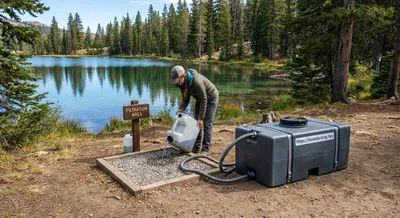
Greywater and Sewage Near Lakes: Eco-Safe Practices and Laws
Composting (Dry) Toilets: Modern composting or dry toilets (often waterless and odor-vented) use no flush water and separate solids and liquids....
Composting Toilet
A composting toilet is a sanitation system that turns human waste into a stable, soil-like material using biological decomposition rather than flushing it away with water. These toilets separate liquids and solids or use dry materials such as sawdust to encourage aerobic breakdown by microbes and help control odors. They are designed to work off-grid or in places where connecting to a sewer or septic system is impractical, so they use little or no water. Proper operation requires layering carbon-rich material, regular aeration or ventilation, and allowing enough time for pathogens to die off in the finished compost. Composting toilets matter because they greatly reduce water use and can return nutrients to the soil when the compost is properly treated and applied. They also lower the risk of contaminating nearby water bodies compared with direct discharge of untreated waste. Users must follow maintenance steps and local rules about disposal, since incomplete composting can pose health risks. For cabins, tiny homes, boats, and remote sites, these toilets offer a sustainable sanitation option that balances convenience with environmental protection. When installed and used correctly, composting toilets help conserve resources and reduce pollution.
Get New Boondocking Research & Podcast Episodes
Subscribe to receive new research updates and podcast episodes about boondocking, off-grid camping, RV travel, van life, dispersed camping, campsites, gear, power, water, safety, and road trip planning.