Hygrometer Monitoring
hygrometer monitoring
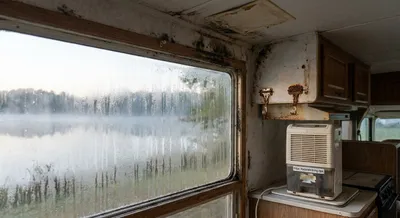
Condensation, Mold, and Corrosion in Humid Lakeside RVs
Large water bodies boost air moisture. Evaporation over a lake raises local relative humidity (RH). At night, the RV’s exterior steel and windows...
Hygrometer Monitoring
Hygrometer monitoring means regularly checking the relative humidity inside a space using a hygrometer, a device that measures how much moisture is in the air. Hygrometers come as simple dial instruments, digital readouts, or as part of smart home sensors that record and report data over time. You place them in living areas, basements, or rooms prone to moisture—avoiding direct sunlight or drafts—to get a representative reading. Some models also show temperature, and more advanced ones can log trends so you can see how humidity changes over days or weeks. Monitoring humidity matters because both very high and very low moisture levels cause problems: high humidity encourages mold growth, condensation, and corrosion, while low humidity can dry out wood, damage instruments, and irritate skin and respiratory systems. Most indoor spaces are comfortable and safer from mold when relative humidity stays roughly between 30% and 50%. Regular monitoring tells you when to run a dehumidifier, use a humidifier, or improve ventilation to keep levels steady. It’s also helpful for protecting stored items like books, musical instruments, and electronics. Periodically check and calibrate your hygrometer for accuracy, and replace batteries as needed to keep measurements reliable.
Get New Boondocking Research & Podcast Episodes
Subscribe to receive new research updates and podcast episodes about boondocking, off-grid camping, RV travel, van life, dispersed camping, campsites, gear, power, water, safety, and road trip planning.