Dishwashing
dishwashing
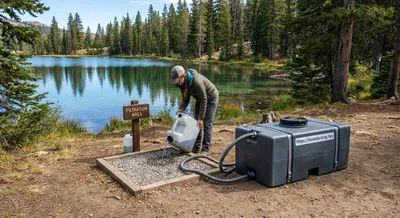
Greywater and Sewage Near Lakes: Eco-Safe Practices and Laws
Composting (Dry) Toilets: Modern composting or dry toilets (often waterless and odor-vented) use no flush water and separate solids and liquids....
Dishwashing
Dishwashing means cleaning plates, cups, cutlery and cooking tools after a meal. It can be done by hand with a sink and scrubber or in a machine that uses hot water and detergent. The basic steps are scraping off leftover food, soaking or washing with soap, rinsing, and letting items dry. Done well, it prevents germs and foodborne illness by removing bacteria and grease. Dishwashing also uses water and cleaning products, so the choices you make affect the environment. Harsh or non-biodegradable detergents can harm plants and animals if wastewater reaches streams, lakes, or soil. To reduce impact, people often pre-scrape plates, use a small basin to limit water use, choose biodegradable soap, and dispose of rinsate onto vegetated ground well away from open water. Hot water or a sanitizing rinse helps kill germs, while air drying or a clean towel prevents recontamination. Good dishwashing matters because it keeps you healthy, conserves water, and protects the places where you live or camp.
Get New Boondocking Research & Podcast Episodes
Subscribe to receive new research updates and podcast episodes about boondocking, off-grid camping, RV travel, van life, dispersed camping, campsites, gear, power, water, safety, and road trip planning.