Forest Camping
forest camping
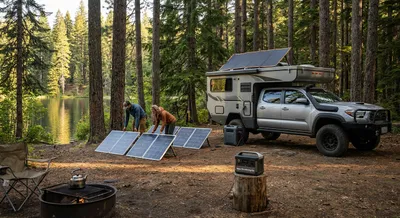
Powering an Off-Grid Lakeside RV: Solar in the Forest Shade
In a forested lakeside campsite, shade and fog are the enemies of solar generation. Tree cover intercepts direct sunlight, and low clouds or mist...
Forest Camping
Forest camping means setting up a tent, hammock, or small camp in a wooded area, surrounded by trees and natural understory. It offers shade, shelter from wind, and a sense of privacy that many people enjoy, as well as close encounters with birds, small mammals, and forest plants. Trees help moderate temperatures, often keeping sites cooler in hot weather and reducing direct sunlight, which can make a big difference in comfort. At the same time, forests require attention to safety: you need to watch for falling branches, check for insect and tick exposure, and follow fire rules because dry wood and leaf litter can be a wildfire risk. Good campsite selection avoids fragile vegetation and stays away from streams or low spots that could flood in rain. Practicing Leave No Trace principles—packing out trash, minimizing campfire impact, and avoiding damage to trees—keeps forests healthy for everyone. Many forest campers use stoves instead of open fires, hang food to protect it from wildlife, and bring layers to handle cool evenings. Knowing how to choose a site, manage fire safely, and respect wildlife makes forest camping both enjoyable and low-impact. For people who want quiet, shade, and a strong feeling of being in nature, forest camping is a rewarding option.
Get New Boondocking Research & Podcast Episodes
Subscribe to receive new research updates and podcast episodes about boondocking, off-grid camping, RV travel, van life, dispersed camping, campsites, gear, power, water, safety, and road trip planning.