Lakeside Rv
lakeside RV
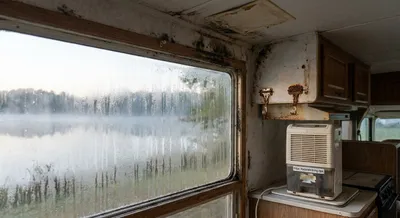
Condensation, Mold, and Corrosion in Humid Lakeside RVs
Large water bodies boost air moisture. Evaporation over a lake raises local relative humidity (RH). At night, the RV’s exterior steel and windows...
Lakeside Rv
A lakeside RV is a recreational vehicle that is parked, used or stored close to a lake, combining mobile living with easy water access. People choose lakeside sites for the scenery, fishing, boating and the relaxed outdoor lifestyle that comes with being near water. Because the vehicle is near a body of water, the surrounding air tends to be more humid and can change temperature more quickly than inland locations. That extra humidity and the lake’s breezes affect how you ventilate, insulate and maintain the vehicle. Lakeside settings also bring practical considerations like soft ground, possible flooding, bugs and the need to secure the RV against wind and sudden storms. Over time, moisture from the air can promote mold growth and metal corrosion if the RV is not properly protected. To stay comfortable and protect the vehicle, people often use elevated pads or blocks, check seals more often, and choose corrosion-resistant materials and finishes. Simple steps like running a dehumidifier, using vent fans, and storing cushions indoors when not in use reduce problems. Being mindful of local weather, rising water levels and wildlife also helps keep the RV and its occupants safe. Overall, a lakeside RV offers a pleasant way to enjoy the outdoors, but it requires a bit more attention to moisture and site conditions than dry inland camping.
Get New Boondocking Research & Podcast Episodes
Subscribe to receive new research updates and podcast episodes about boondocking, off-grid camping, RV travel, van life, dispersed camping, campsites, gear, power, water, safety, and road trip planning.