Lakeside Camping
lakeside camping
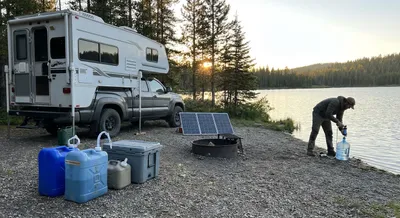
Multi-Week Lakeside Boondock Logistics: Resupply, Waste, and Water
If drinking water isn’t available on-site, be ready to trek to town or campsite showers periodically. Some campers drive to a boat ramp or general...
Lakeside Camping
Lakeside camping means setting up a tent, camper, or campsite right next to a lake so you can enjoy water views and easy access to swimming, fishing, or boating. It’s a popular way to relax because you get calm scenery, the sound of water at night, and quick access to recreation that isn’t available at inland campsites. Choosing a lakeside spot brings special practical needs: you must think about shoreline rules, tides or water level changes, and how to keep your campsite safe from waves or wet ground. Water brings wildlife like birds and sometimes bears or raccoons, so food storage and respectful distance matter for safety and the animals’ well-being. You also need to manage water for drinking, cooking, and cleaning, and to treat or filter lake water if needed. Waste and human refuse require careful handling so the lake stays clean for other visitors and wildlife. Insect protection is often essential near still water, especially at dusk and dawn when mosquitoes are most active. Weather can change quickly on open water, so wind, storms, and cooler nights should influence what gear you bring. Fire safety is another key concern; many lakeshores have strict rules about campfires and fire rings. Overall, lakeside camping can be wonderfully peaceful and fun, but it matters to plan for safety, cleanliness, and minimal impact on the shoreline environment.
Get New Boondocking Research & Podcast Episodes
Subscribe to receive new research updates and podcast episodes about boondocking, off-grid camping, RV travel, van life, dispersed camping, campsites, gear, power, water, safety, and road trip planning.