Lake Camping
lake camping
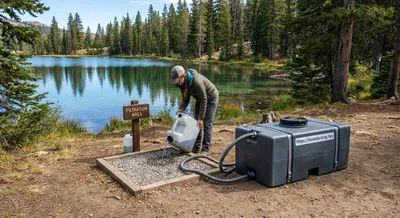
Greywater and Sewage Near Lakes: Eco-Safe Practices and Laws
Composting (Dry) Toilets: Modern composting or dry toilets (often waterless and odor-vented) use no flush water and separate solids and liquids....
Lake Camping
Lake camping is staying overnight in a tent, camper, or other shelter near a lake so you can enjoy swimming, fishing, boating, or quiet time by the water. It usually involves setting up a campsite, preparing food outdoors, and spending time on or beside the water during the day. People are drawn to it for the views, easy water access, and the chance to see wildlife or enjoy water sports. Because camps are close to a water source, there are extra things to think about for safety and the environment. You need to manage food and waste so animals don’t get attracted, and you should handle human and dish water carefully to avoid polluting the shore. Choose a spot a short distance back from the water, follow local rules about fires and toilets, and use established sites when possible. Be aware of changing weather and water conditions, wear life jackets for boating, and keep gear secure from wind and waves. Doing these things helps protect water quality, wildlife, and the experience for other campers while keeping you safe and comfortable.
Get New Boondocking Research & Podcast Episodes
Subscribe to receive new research updates and podcast episodes about boondocking, off-grid camping, RV travel, van life, dispersed camping, campsites, gear, power, water, safety, and road trip planning.