Wind Power
wind power
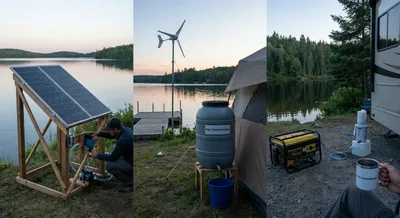
Case Studies: Three Lakes, Three Power/Water Strategies
Lessons: Each climate demands a different mix of resources. In the alpine case, reliability trumped abundance – we leaned heavily on wind and...
Wind Power
Wind power is the process of converting the natural movement of air into usable electricity using large blades mounted on towers. As wind blows, it turns the blades, which spin a shaft connected to a generator that makes electrical power. This energy source is renewable because wind is constantly replenished by the sun’s heating of the atmosphere, so it does not run out like fossil fuels. Wind facilities can be placed on land or offshore in the ocean, and the best sites have steady, strong winds. One of the main benefits is that wind turbines produce electricity without burning fuel, so they emit little to no greenhouse gases during operation. However, wind is variable, so wind power must be balanced with batteries, other energy sources, or grid management to keep electricity reliable. Planning for wind projects includes assessing wind speeds, land use, wildlife impacts, and local acceptance. Over the past decades, technology improvements and larger turbines have driven down costs, making wind one of the most competitive forms of new electricity generation. Because it scales from single turbines to large farms, wind power can serve small communities or feed national power grids, helping reduce reliance on polluting energy sources.
Get New Boondocking Research & Podcast Episodes
Subscribe to receive new research updates and podcast episodes about boondocking, off-grid camping, RV travel, van life, dispersed camping, campsites, gear, power, water, safety, and road trip planning.