Graywater
graywater
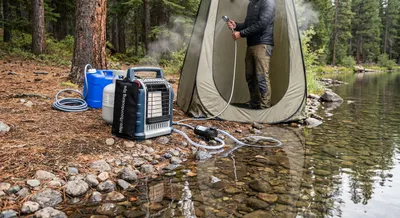
Portable Showers and Water Heating from Lake Sources
For bathing water, the risk tolerance is slightly different: you usually won’t drink it, but you will have prolonged skin and eye contact. It is wise...
Graywater
Graywater is the relatively clean wastewater that comes from sinks, showers, bathtubs, and laundry. It does not include water from toilets, which carries higher levels of pathogens and is considered blackwater. Graywater typically contains soap, dirt, food particles, hair, and small amounts of cleaning chemicals and detergents. Because it is less contaminated than blackwater, it can sometimes be collected and reused with basic treatment or filtration. Home systems that separate and handle graywater capture it before it reaches sewers or septic tanks. Reusing graywater matters because it can save a lot of fresh water, lower water bills, and reduce the load on municipal sewer systems and septic fields. Common safe uses include irrigating lawns and non-edible plants, flushing toilets, and watering trees or landscape beds when handled properly. However, graywater can still contain bacteria, chemicals, or salts that can harm people, plants, or soil if used incorrectly, so simple treatment, proper distribution, and avoiding edible crops are important precautions. Many places have rules about how graywater must be collected and reused, so it's wise to check local regulations or get a system designed by a professional. Systems can range from simple laundry-to-landscape setups to more complex filters and storage tanks, and often include filters, settling tanks, or plants that help clean the water. Used thoughtfully, graywater offers a practical way to conserve water and reduce waste while keeping health and safety in mind.
Get New Boondocking Research & Podcast Episodes
Subscribe to receive new research updates and podcast episodes about boondocking, off-grid camping, RV travel, van life, dispersed camping, campsites, gear, power, water, safety, and road trip planning.