Camping Regulations
camping regulations
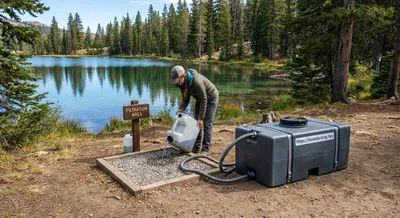
Greywater and Sewage Near Lakes: Eco-Safe Practices and Laws
Composting (Dry) Toilets: Modern composting or dry toilets (often waterless and odor-vented) use no flush water and separate solids and liquids....
Camping Regulations
Camping regulations are the rules set by land managers and governments that tell people where and how they can camp. They cover things like where you can pitch a tent, whether you need a permit, and what activities are allowed. Regulations also often include rules about campfires, how to store food to protect wildlife, and when to pack out trash. Some rules limit the number of nights you can stay in one place or require you to camp only in designated sites. These rules vary depending on whether you are on public land, private property, or in a protected area. Following these rules helps keep natural areas healthy and safe for both people and animals. They reduce erosion, prevent damage to sensitive plants, and limit encounters that can harm wildlife. Regulations also protect cultural or historic sites and make sure that popular areas are not overused. Ignoring them can result in fines, being asked to leave, or even causing long-term damage to a place. Knowing and following camping regulations makes outdoor trips more enjoyable and helps preserve outdoor spaces for the next people who visit.
Get New Boondocking Research & Podcast Episodes
Subscribe to receive new research updates and podcast episodes about boondocking, off-grid camping, RV travel, van life, dispersed camping, campsites, gear, power, water, safety, and road trip planning.