Rv Condensation
RV condensation
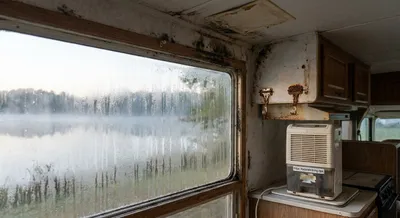
Condensation, Mold, and Corrosion in Humid Lakeside RVs
Large water bodies boost air moisture. Evaporation over a lake raises local relative humidity (RH). At night, the RV’s exterior steel and windows...
Rv Condensation
RV condensation happens when warm, moist air inside the vehicle cools and turns into water on cold surfaces like windows, ceilings, and walls. It occurs for the same reason you see water on the outside of a cold glass, but in a small, enclosed living space. Everyday activities such as cooking, showering and even breathing increase the indoor humidity, which makes condensation more likely. In an RV, limited ventilation, thin walls and colder exterior temperatures can make surfaces chill enough for moisture to form. Over time that moisture can drip into insulation, wood and cabinetry, causing stains, rot and unpleasant smells. Condensation also creates ideal conditions for mold and can speed up metal corrosion, which harms health and lowers the RV’s resale value. Preventing it starts with controlling humidity and keeping air moving: open vents, use fans and consider a small dehumidifier or the vehicle’s HVAC system. Improving insulation, sealing gaps and using storm covers on windows reduce cold surfaces where moisture collects. Simple habits like wiping wet areas, drying clothes and using exhaust fans when cooking or showering make a big difference. Regular checks for leaks and keeping indoor humidity under control help avoid costly repairs and keep the RV comfortable and healthy.
Get New Boondocking Research & Podcast Episodes
Subscribe to receive new research updates and podcast episodes about boondocking, off-grid camping, RV travel, van life, dispersed camping, campsites, gear, power, water, safety, and road trip planning.