Window Insulation
window insulation
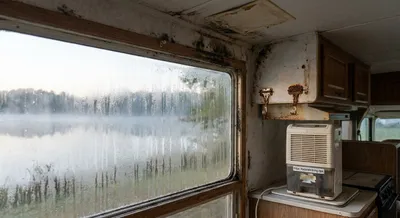
Condensation, Mold, and Corrosion in Humid Lakeside RVs
Large water bodies boost air moisture. Evaporation over a lake raises local relative humidity (RH). At night, the RV’s exterior steel and windows...
Window Insulation
Window insulation means using materials or methods to reduce heat and moisture moving through windows. It can include simple things like weatherstripping around movable parts, clear plastic film stretched over the frame, insulating curtains or cellular shades, and more permanent upgrades such as storm windows or double-pane replacements. Some approaches seal gaps with foam gaskets or caulk, while others add layers that trap air and raise the window's insulating value. The goal is to keep warm air in during cold months and keep heat out during warm months, which makes indoor temperatures steadier and appliances run less. Window insulation matters because windows are often the weakest point in a building envelope, where heat and cold pass through quickly. Proper insulation reduces energy bills, improves comfort by eliminating drafts, and lowers the chance of condensation forming on cold glass. Less condensation means less moisture where mold and corrosion can start, and it also reduces outside noise. Many methods are easy and low-cost for a DIY project, but permanent upgrades deliver the best long-term savings. When adding insulation, it’s important to maintain some ventilation so moisture doesn’t get trapped inside walls or window frames.
Get New Boondocking Research & Podcast Episodes
Subscribe to receive new research updates and podcast episodes about boondocking, off-grid camping, RV travel, van life, dispersed camping, campsites, gear, power, water, safety, and road trip planning.