Cyanotoxins
cyanotoxins
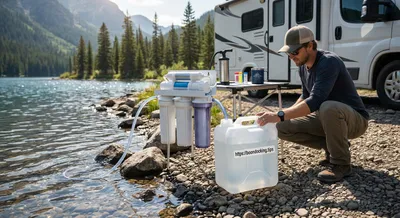
Water Safety 101: Treating Lake Water for RV Boondocking
Even before treating it, choose your intake carefully. Never scoop from the shoreline or shallow edges, where animal or human waste and runoff...
Cyanotoxins
Cyanotoxins are poisonous substances produced by certain types of cyanobacteria, often called blue-green algae, when they grow rapidly in nutrient-rich, warm water. These blooms can form visible scums on lakes, ponds, and slow-moving rivers, but toxins can also be present in water that looks normal, so you cannot rely only on sight. Different cyanotoxins affect the body in different ways: some target the liver, some affect the nervous system, and others cause skin irritation. People can be exposed by swallowing contaminated water, swimming in it, inhaling spray, or even by eating contaminated fish or shellfish. Symptoms range from mild skin rashes and gastrointestinal upset to more serious liver or neurological problems, depending on the toxin type and the level of exposure. Regular water disinfection methods and simple boiling may not remove or destroy all cyanotoxins; in some cases boiling can concentrate toxins as water evaporates. Effective protection includes avoiding water during visible blooms, following local health advisories, and using treatment methods known to remove toxins, such as activated carbon and certain advanced filtration or oxidation processes. Cyanotoxins matter because blooms are becoming more common with warmer temperatures and nutrient pollution, posing risks to drinking water supplies, recreation, pets, and livestock.
Get New Boondocking Research & Podcast Episodes
Subscribe to receive new research updates and podcast episodes about boondocking, off-grid camping, RV travel, van life, dispersed camping, campsites, gear, power, water, safety, and road trip planning.