Lake Water Safety
lake water safety
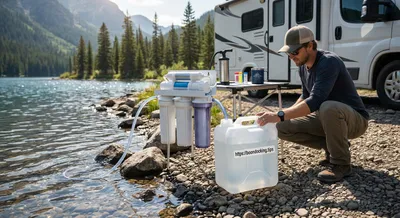
Water Safety 101: Treating Lake Water for RV Boondocking
Even before treating it, choose your intake carefully. Never scoop from the shoreline or shallow edges, where animal or human waste and runoff...
Lake Water Safety
Lake water safety means making sure water in or from a lake is safe for whatever you plan to do with it, like drinking, cooking, or swimming. Lakes can look clean but often contain bacteria, parasites, viruses, or chemical pollutants that can make people and animals sick. Shoreline runoff, animal waste, and algae blooms are common sources of contamination that change with weather, season, and human activity. Knowing how to judge and treat lake water matters because untreated water can cause stomach illness, skin rashes, and more serious infections. Simple steps improve safety: avoid areas with visible scum or dead fish, scoop water from moving or deeper sections rather than shallow stagnant zones, and always filter and disinfect water before drinking. Boiling water for at least one minute is a reliable way to kill microbes, while certain filters and chemical treatments remove or inactivate others. Watch for harmful algal blooms — these can release toxins that are not removed by standard filters and should never be consumed or used for bathing. Keep water storage containers clean and covered to prevent recontamination, and avoid letting pets or people drink directly from questionable sources. If you rely on lake water regularly, consider testing it for bacteria and common pollutants and learn local advisories; when in doubt, use treated or bottled water. These precautions help you enjoy lakes safely whether you’re camping, boating, or spending a day at the beach.
Get New Boondocking Research & Podcast Episodes
Subscribe to receive new research updates and podcast episodes about boondocking, off-grid camping, RV travel, van life, dispersed camping, campsites, gear, power, water, safety, and road trip planning.