Camping Health
camping health
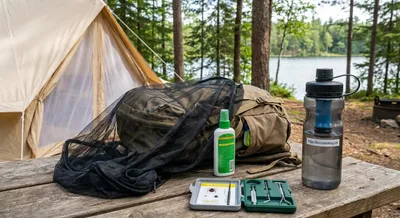
Managing Mosquitoes, Ticks, and Waterborne Illness
Natural lakes and rivers can harbor a range of pathogens, especially in summer. Common culprits include GI bacteria and parasites (like E. coli,...
Camping Health
Camping health refers to the steps you take to stay well while sleeping and living outdoors for one or more nights. It includes preventing common problems like dehydration, sunburn, insect bites, cuts and scrapes, and stomach upset from food or water. Good hygiene practices—washing hands, treating or boiling water if unsure, and keeping food properly stored—help prevent many illnesses. Proper shelter, warm layers, and a sleeping system that suits the climate reduce the risk of hypothermia or heat-related problems. Protecting skin from sun and insect repellents, and checking for ticks after time in tall grass or forests, lowers the chance of bites and infections. Packing a basic first-aid kit and knowing how to use it prepares you to handle blisters, sprains, and minor wounds until you can get more care. If you or someone in your group has chronic health conditions, planning for medication storage and emergency care is essential. Campers should also be mindful of food safety when cooking outdoors and of local wildlife by storing food securely and cleaning up promptly. Taking these precautions makes camping safer and more comfortable, so trips stay fun instead of becoming stressful or dangerous.
Get New Boondocking Research & Podcast Episodes
Subscribe to receive new research updates and podcast episodes about boondocking, off-grid camping, RV travel, van life, dispersed camping, campsites, gear, power, water, safety, and road trip planning.