Wilderness Hygiene
wilderness hygiene
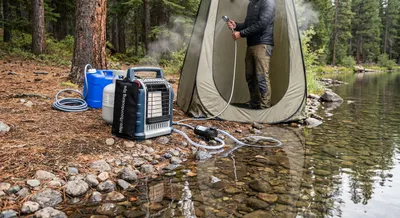
Portable Showers and Water Heating from Lake Sources
For bathing water, the risk tolerance is slightly different: you usually won’t drink it, but you will have prolonged skin and eye contact. It is wise...
Wilderness Hygiene
Wilderness hygiene means the habits and practices people use to stay clean and healthy while they are far from normal bathroom and water facilities. It covers things like hand washing, dealing with human waste, cleaning dishes, caring for teeth, and keeping wounds clean. Good wilderness hygiene helps prevent illness from bugs, bad water, and germs that spread easily when people live close together. It also protects local plants, animals, and water by keeping soap, food scraps, and human waste from contaminating the environment. Simple steps include using hand sanitizer, properly burying or packing out toilet paper, and cleaning cooking gear with a small amount of biodegradable soap away from streams. Treating or filtering drinking water is a core part of it, because untreated water often carries bacteria or parasites not visible to the eye. People also think about menstrual care, diaper or baby waste, and how to prevent food and trash from attracting wildlife. Following a few basic rules keeps you and others healthy and makes it less likely that the place you visit will be spoiled for the next people. Learning and practicing these habits before you go makes trips easier and more enjoyable, and prepares you for unexpected situations. In short, good wilderness hygiene is a small effort that has big benefits for safety, comfort, and protecting wild places.
Get New Boondocking Research & Podcast Episodes
Subscribe to receive new research updates and podcast episodes about boondocking, off-grid camping, RV travel, van life, dispersed camping, campsites, gear, power, water, safety, and road trip planning.