Rv Boondocking
RV boondocking
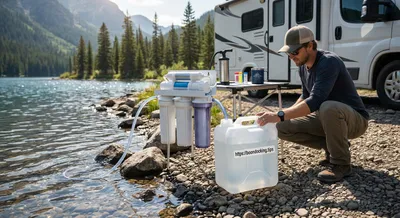
Water Safety 101: Treating Lake Water for RV Boondocking
Even before treating it, choose your intake carefully. Never scoop from the shoreline or shallow edges, where animal or human waste and runoff...
Rv Boondocking
RV boondocking means camping in a recreational vehicle away from established campgrounds and utility hookups, using your own stored water, batteries or solar power, and waste systems. It usually takes place on public lands, private dispersed sites, or parking areas where you are allowed to stay overnight without water, sewer, or electrical connections. People choose boondocking for the solitude, lower cost, and freedom to stay in remote or scenic places that crowded campgrounds can’t reach. Because you are self-contained, planning is important: you need enough fresh water, a way to handle gray and black water, power for lights and appliances, and a safe spot to park that follows local rules. Common gear for boondocking includes solar panels or a generator, deep-cycle batteries, a reliable water tank and pump, and good toilet and waste disposal systems. Responsible boondocking also means leaving no trace, packing out trash, conserving resources like water and power, and respecting wildlife and local land rules. Safety considerations include checking weather, telling someone your plans, and knowing how to handle emergencies in remote areas. With the right preparation and respect for the environment and local regulations, boondocking can be a rewarding way to travel and enjoy nature on your own terms.
Get New Boondocking Research & Podcast Episodes
Subscribe to receive new research updates and podcast episodes about boondocking, off-grid camping, RV travel, van life, dispersed camping, campsites, gear, power, water, safety, and road trip planning.