Mold Cleaning
mold cleaning
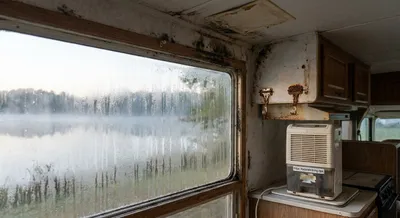
Condensation, Mold, and Corrosion in Humid Lakeside RVs
Large water bodies boost air moisture. Evaporation over a lake raises local relative humidity (RH). At night, the RV’s exterior steel and windows...
Mold Cleaning
Mold cleaning refers to removing visible mold growth and addressing the conditions that let it grow. Mold is a fungus that appears as fuzzy or discolored patches and spreads by releasing tiny spores into the air. It thrives where there is moisture, such as around leaks, under carpets, or on damp walls, and it can cause allergic reactions, respiratory issues, and damage to building materials. For small, non-porous surfaces, cleaning with detergent and water or a diluted bleach solution can remove mold, while products like white vinegar or hydrogen peroxide are effective on many surfaces without harsh fumes. Safety is important during mold cleaning: wear gloves, eye protection, and a good mask (such as an N95), and ventilate the area to avoid breathing spores. Porous items like ceiling tiles, insulation, and some drywall often need to be removed and replaced because mold roots can’t be fully cleaned from them. If mold covers a large area or has affected HVAC systems, hiring trained professionals is usually the safest choice. After cleaning, controlling humidity, repairing leaks, and drying wet areas quickly are the best ways to prevent mold from returning.
Get New Boondocking Research & Podcast Episodes
Subscribe to receive new research updates and podcast episodes about boondocking, off-grid camping, RV travel, van life, dispersed camping, campsites, gear, power, water, safety, and road trip planning.