Sustainable Camping
sustainable camping
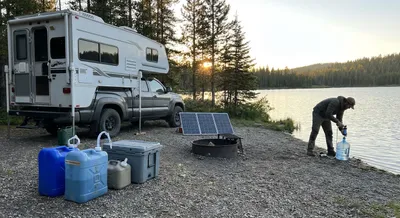
Multi-Week Lakeside Boondock Logistics: Resupply, Waste, and Water
If drinking water isn’t available on-site, be ready to trek to town or campsite showers periodically. Some campers drive to a boat ramp or general...
Sustainable Camping
Sustainable camping means enjoying the outdoors in ways that minimize harm to the land, water, plants, and animals around you. It includes practical habits like choosing durable surfaces for tents, packing out all trash and leftovers, using small or contained campfires only where allowed, and properly disposing of human waste. Campers also think about the gear they bring, preferring reusable, repairable, and responsibly made items to reduce waste and energy use. Conserving water, using biodegradable soaps sparingly, and following local rules about wildlife and food storage help protect ecosystems and keep animals from becoming dependent on humans. Sustainable choices also cover travel: carpooling, combining trips, or choosing local destinations can lower the carbon footprint of a trip. These practices matter because they help preserve natural places for future visitors and maintain the habitats that plants and animals need to survive. They also improve the experience for other campers by reducing noise, litter, and conflict with wildlife. By camping responsibly, you leave the outdoors in a condition as good as or better than you found it, ensuring those places stay beautiful and healthy.
Get New Boondocking Research & Podcast Episodes
Subscribe to receive new research updates and podcast episodes about boondocking, off-grid camping, RV travel, van life, dispersed camping, campsites, gear, power, water, safety, and road trip planning.