Rainwater Harvesting
rainwater harvesting
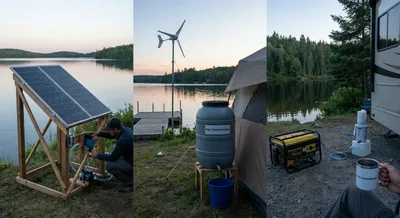
Case Studies: Three Lakes, Three Power/Water Strategies
Lessons: Each climate demands a different mix of resources. In the alpine case, reliability trumped abundance – we leaned heavily on wind and...
Rainwater Harvesting
Rainwater harvesting is the practice of collecting and storing rain that falls on roofs, pavement, and other surfaces for later use. It typically involves directing water with gutters and pipes into a storage tank or cistern, and may include simple filters or pumps. The collected water can be used for watering gardens, flushing toilets, washing clothes, and with proper treatment, even for drinking. Small systems can be as simple as a rain barrel under a downspout, while larger setups connect to homes or community buildings. Harvesting rain reduces the amount of water drawn from municipal supplies and private wells, which saves money and eases pressure on water infrastructure. It also helps reduce stormwater runoff that can cause flooding and carry pollutants into rivers and lakes. There are some important considerations, such as local rules, how to keep the water clean, and how much storage you need for dry seasons. Regular maintenance, like cleaning gutters and checking tanks, keeps systems working safely and efficiently. In places with uncertain rainfall, harvesting offers resilience by providing an extra water source during shortages. Overall, collecting rain is a simple, practical step that can cut bills, protect the environment, and make homes and neighborhoods more self-reliant.
Get New Boondocking Research & Podcast Episodes
Subscribe to receive new research updates and podcast episodes about boondocking, off-grid camping, RV travel, van life, dispersed camping, campsites, gear, power, water, safety, and road trip planning.