Rv Ventilation
RV ventilation
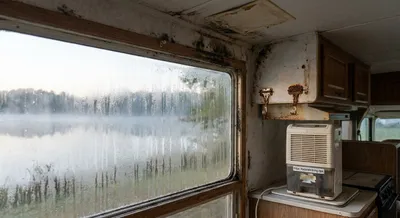
Condensation, Mold, and Corrosion in Humid Lakeside RVs
Large water bodies boost air moisture. Evaporation over a lake raises local relative humidity (RH). At night, the RV’s exterior steel and windows...
Rv Ventilation
RV ventilation is the system and habits used to move fresh air into and out of a recreational vehicle. It includes roof vents, windows, doors, powered fans, and appliance vents that together control airflow inside the small space. Good ventilation helps control indoor humidity, reduce condensation, and remove odors and pollutants such as cooking smoke or exhaust. Without adequate airflow, moisture from breathing, cooking, and wet gear can build up and lead to mold, mildew, and corrosion. Cross-ventilation—opening vents and windows on opposite sides—lets air flow through and cool the interior faster than relying on a single opening. Powered roof vents and exhaust fans speed up air exchange and can run while you sleep or when you are away to keep conditions stable. In cold weather you need to balance fresh air with heat loss, so using controlled ventilation and low-speed fans can keep air moving without wasting energy. In hot weather, ceiling vents, reflective window coverings, and shaded parking work together with ventilation to keep temperatures down. Regularly checking seals, cleaning vent screens, and running vents when cooking or showering keeps the system effective. Investing in good ventilation preserves the RV’s interior and makes it healthier and more comfortable for everyone on board.
Get New Boondocking Research & Podcast Episodes
Subscribe to receive new research updates and podcast episodes about boondocking, off-grid camping, RV travel, van life, dispersed camping, campsites, gear, power, water, safety, and road trip planning.