Humidity Control
humidity control
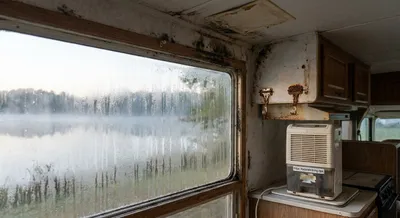
Condensation, Mold, and Corrosion in Humid Lakeside RVs
Large water bodies boost air moisture. Evaporation over a lake raises local relative humidity (RH). At night, the RV’s exterior steel and windows...
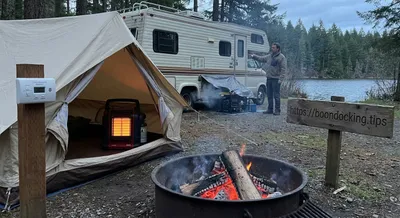
Fire, Carbon Monoxide, and Ventilation Risks by the Lake
Test your detectors often. Experts advise pressing the “test” button on each alarm at least monthly – or even every trip – to ensure the horn works...
Humidity Control
Humidity control is the practice of keeping the amount of moisture in the air at a comfortable and safe level. It usually refers to managing indoor relative humidity, which affects how dry or damp a space feels. Ideal indoor humidity is often between about 30% and 50%, because that range helps people feel comfortable, reduces the risk of mold, and keeps furniture and building materials from warping or cracking. Devices that help manage humidity include dehumidifiers, humidifiers, air conditioners, and well-designed ventilation systems. Controlling humidity matters for health, comfort, and safety. When air is too humid, mold and dust mites thrive, and surfaces can become damp and damaged; when air is too dry, people can have dry skin, irritated airways, and increased static electricity. In some settings, like places that store wood or musical instruments, maintaining steady humidity preserves valuables. Outdoors and in dry climates, low humidity also increases the risk that fires will start and spread more easily, so monitoring moisture can be important for safety as well. Simple steps like using exhaust fans in bathrooms, running a dehumidifier in basements, and ventilating properly can make a big difference.
Get New Boondocking Research & Podcast Episodes
Subscribe to receive new research updates and podcast episodes about boondocking, off-grid camping, RV travel, van life, dispersed camping, campsites, gear, power, water, safety, and road trip planning.