Solar Power
solar power
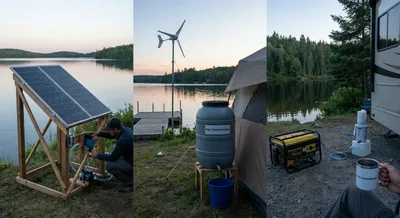
Case Studies: Three Lakes, Three Power/Water Strategies
Lessons: Each climate demands a different mix of resources. In the alpine case, reliability trumped abundance – we leaned heavily on wind and...
Solar Power
Solar power captures energy from the sun and turns it into usable electricity or heat for homes, businesses, and public systems. The most common approach uses photovoltaic panels that convert sunlight into direct current electricity; an inverter then changes that into the alternating current used in buildings. Another approach, solar thermal, concentrates sunlight to produce heat for water, space heating, or even to make steam for electricity generation. Solar power matters because sunlight is abundant, widely available, and produces no emissions while it’s generating energy. For homeowners and remote properties, solar can cut or eliminate electricity bills and provide a reliable source of power when combined with batteries. The performance of a solar system depends on location, orientation, shading, and weather, so proper siting and design are important. Solar technology has become much cheaper in recent years, and there are often incentives and financing options to help with upfront costs. While the manufacturing and disposal of panels have some environmental impacts, the overall footprint is much lower than fossil fuels, making solar a key tool for cleaner energy and increased energy independence.
Get New Boondocking Research & Podcast Episodes
Subscribe to receive new research updates and podcast episodes about boondocking, off-grid camping, RV travel, van life, dispersed camping, campsites, gear, power, water, safety, and road trip planning.