Renewable Energy
renewable energy
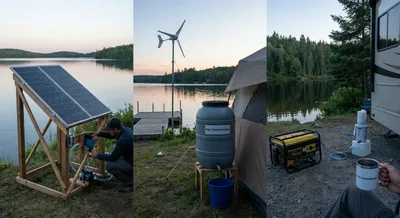
Case Studies: Three Lakes, Three Power/Water Strategies
Lessons: Each climate demands a different mix of resources. In the alpine case, reliability trumped abundance – we leaned heavily on wind and...
Renewable Energy
Renewable energy comes from natural sources that replenish themselves over short timescales, like sunlight, wind, flowing water, geothermal heat, and organic plant materials. Unlike fossil fuels, these resources are not depleted when we use them, so they can provide long-term energy without running out. This kind of energy matters because it produces far fewer greenhouse gases and air pollutants, helping to slow climate change and improve public health. It can also reduce reliance on imported fuels, stabilize energy costs, and create local jobs in manufacturing, installation, and maintenance. There are challenges: some renewable sources are intermittent, so systems for storing energy or balancing supply and demand are often needed. Building enough renewable infrastructure takes planning, investment, and sometimes changes to how the electricity system works. Still, technological progress and falling costs have made renewables a practical choice for many homes, businesses, and utilities. Moving toward renewable energy supports cleaner air, more resilient communities, and a more sustainable economy over time.
Get New Boondocking Research & Podcast Episodes
Subscribe to receive new research updates and podcast episodes about boondocking, off-grid camping, RV travel, van life, dispersed camping, campsites, gear, power, water, safety, and road trip planning.