Ventilation
ventilation
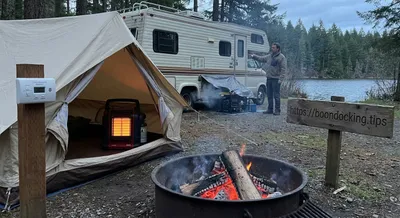
Fire, Carbon Monoxide, and Ventilation Risks by the Lake
Test your detectors often. Experts advise pressing the “test” button on each alarm at least monthly – or even every trip – to ensure the horn works...
Ventilation
Ventilation means bringing fresh air into a building or space and letting stale air go out. It can happen naturally through open windows and vents or be done with mechanical systems like fans and heating, ventilation, and air conditioning units. Good ventilation helps remove odors, smoke, moisture, and pollutants, and it supplies oxygen-rich air so people feel more comfortable and breathe more easily. In workplaces, homes, and public buildings, proper airflow also lowers the chance of airborne illnesses spreading and helps control indoor temperature. Using ventilation the right way matters for health and safety. Too little ventilation lets pollutants and moisture build up, which can cause breathing problems, mold growth, or unpleasant smells. Too much or improperly directed airflow can feed a fire or push carbon monoxide and other gases into occupied areas, so systems should be designed and used carefully. Regular maintenance, keeping vents clear, and using exhaust fans where moisture or fumes are produced are simple ways to keep ventilation effective. For many situations, a balance of natural and mechanical ventilation provides fresh air without wasting energy.
Get New Boondocking Research & Podcast Episodes
Subscribe to receive new research updates and podcast episodes about boondocking, off-grid camping, RV travel, van life, dispersed camping, campsites, gear, power, water, safety, and road trip planning.