Waterborne Illness
waterborne illness
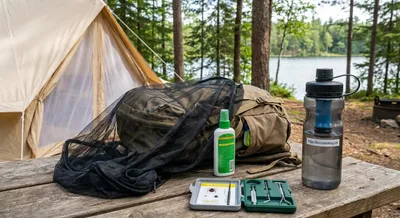
Managing Mosquitoes, Ticks, and Waterborne Illness
Natural lakes and rivers can harbor a range of pathogens, especially in summer. Common culprits include GI bacteria and parasites (like E. coli,...
Waterborne Illness
A waterborne illness is an infection or sickness you get from drinking, bathing in, or otherwise being exposed to contaminated water. These illnesses are caused by germs such as bacteria, viruses, and parasites, and sometimes by harmful chemicals or toxins that get into water supplies. People can pick them up from drinking untreated water, swallowing water while swimming, or eating food washed with contaminated water. Symptoms often include stomach pain, diarrhea, vomiting, fever, and dehydration, and severity ranges from mild stomach upset to life-threatening dehydration or organ damage. Preventing waterborne illness relies on safe water handling: treating or boiling suspect water, using certified filters, keeping pools and hot tubs properly disinfected, and ensuring sanitary sewage and waste disposal. Handwashing with clean water, safe food preparation, and avoiding swallowing recreational water also reduce risk. Communities protect public health by treating municipal water supplies and monitoring for contamination, and travelers should be cautious about water and food in areas with unreliable sanitation. Understanding how these illnesses spread helps individuals and communities take simple, effective steps to stay healthy.
Get New Boondocking Research & Podcast Episodes
Subscribe to receive new research updates and podcast episodes about boondocking, off-grid camping, RV travel, van life, dispersed camping, campsites, gear, power, water, safety, and road trip planning.