Remote Camping
remote camping
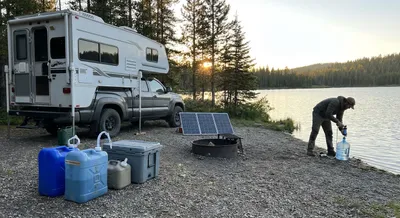
Multi-Week Lakeside Boondock Logistics: Resupply, Waste, and Water
If drinking water isn’t available on-site, be ready to trek to town or campsite showers periodically. Some campers drive to a boat ramp or general...
Remote Camping
Remote camping refers to staying overnight in places far from roads, services, and other people, where you must rely on your own supplies and skills. It often means hiking or driving into areas without cell service, potable water, or nearby stores, so self-sufficiency is a key part of the experience. You’ll need to plan carefully for water, food, waste disposal, shelter, and safety gear, including methods to treat water and manage human waste responsibly. Navigation skills, a reliable map or GPS device, and knowledge of the terrain and weather are essential because rescue may take longer or be harder to arrange. Wildlife encounters are more likely in remote areas, so proper food storage and cautious behavior protect both campers and animals. Remote camping can be deeply rewarding because it offers solitude, star-filled skies, and a strong sense of accomplishment. However, the isolation also raises risks: a minor injury or equipment failure can become serious if you’re far from help. For that reason, many people carry emergency communication devices and tell someone their detailed plan and expected return. Respecting the landscape by following low-impact practices keeps remote places wild and enjoyable for others in the future. Overall, remote camping matters because it requires extra preparation and care but can provide a powerful, restorative outdoor experience when done responsibly.
Get New Boondocking Research & Podcast Episodes
Subscribe to receive new research updates and podcast episodes about boondocking, off-grid camping, RV travel, van life, dispersed camping, campsites, gear, power, water, safety, and road trip planning.