Graywater Recycling
graywater recycling
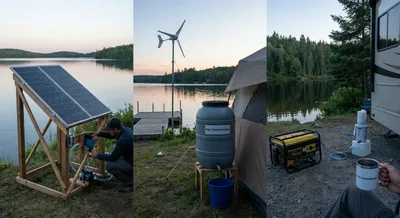
Case Studies: Three Lakes, Three Power/Water Strategies
Lessons: Each climate demands a different mix of resources. In the alpine case, reliability trumped abundance – we leaned heavily on wind and...
Graywater Recycling
Graywater recycling means capturing the relatively clean wastewater from sinks, showers, bathtubs, and laundry and reusing it for other purposes. It does not include water from toilets, which is handled separately because it is more contaminated. Systems can be basic, like diverting shower water to a garden, or complex, using filters and disinfection to reuse water for flushing toilets or washing machines. Reusing graywater reduces the demand for fresh drinking water and lowers the volume of wastewater sent to sewer systems. This can bring savings on water bills and help properties stay functional during droughts or water restrictions. To be safe, graywater should be treated appropriately for its intended use and used quickly rather than stored for long periods. Soaps, chemicals, and certain plants must be chosen carefully to avoid harming soil and crops when irrigation is the purpose. Local regulations and building codes may set rules for how graywater can be reused, so checking requirements is important. With good design and maintenance, recycling this water is an effective, environmentally friendly way to stretch limited water resources.
Get New Boondocking Research & Podcast Episodes
Subscribe to receive new research updates and podcast episodes about boondocking, off-grid camping, RV travel, van life, dispersed camping, campsites, gear, power, water, safety, and road trip planning.