Remote Power Systems
remote power systems
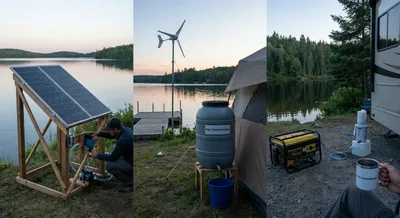
Case Studies: Three Lakes, Three Power/Water Strategies
Lessons: Each climate demands a different mix of resources. In the alpine case, reliability trumped abundance – we leaned heavily on wind and...
Remote Power Systems
Remote power systems are setups that generate and store electricity for places that are far from the main grid. They usually combine sources like solar panels, wind turbines, diesel or micro-hydro generators with batteries and control electronics to provide steady power. These systems can range from a small solar kit for a single cabin to a larger off-grid network serving a village or remote industrial site. The key parts are the energy source, storage (batteries), charge controllers, and sometimes an inverter to convert DC to AC for household devices. They matter because they bring electricity to areas where connecting to the central grid is too expensive, slow, or impossible. Remote power systems can also increase resilience during natural disasters or grid outages by offering local backup electricity. They often reduce reliance on diesel fuel, cutting operating costs and greenhouse gas emissions over time. Designing one requires balancing expected energy use, generation potential, storage capacity, and budget. Regular maintenance, good component choice, and planning for harsh weather and local rules make the system reliable and longer lasting.
Get New Boondocking Research & Podcast Episodes
Subscribe to receive new research updates and podcast episodes about boondocking, off-grid camping, RV travel, van life, dispersed camping, campsites, gear, power, water, safety, and road trip planning.