Off-grid
off-grid
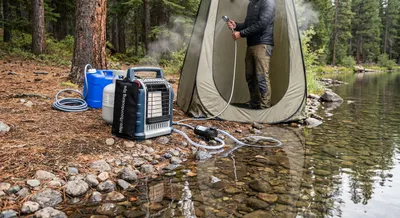
Portable Showers and Water Heating from Lake Sources
For bathing water, the risk tolerance is slightly different: you usually won’t drink it, but you will have prolonged skin and eye contact. It is wise...
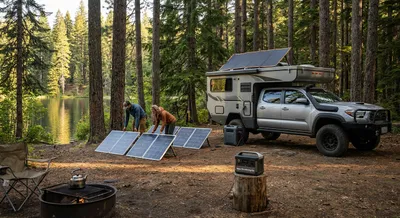
Powering an Off-Grid Lakeside RV: Solar in the Forest Shade
In a forested lakeside campsite, shade and fog are the enemies of solar generation. Tree cover intercepts direct sunlight, and low clouds or mist...
Off-grid
Off-grid means living without reliance on public utilities like electricity, water, or sewer services. People who choose this way of life produce their own power, collect and treat water, and manage waste on their property. It can involve solar panels, generators, wells, rainwater catchment, composting toilets, and battery storage to meet daily needs. The aim is self-reliance so you can function independently of municipal systems and infrastructure. Some people do this temporarily while traveling, and others make it a long-term lifestyle. This approach matters because it offers independence and can reduce ongoing utility costs while increasing resilience during outages or disasters. Off-grid systems also lower dependency on centralized resources and can reduce environmental impact when done responsibly. However, it takes planning, upfront investment, and regular maintenance to ensure reliable power, clean water, and safe waste handling. There are often local regulations, building codes, and environmental rules to consider. Learning how to size systems, store energy, and maintain equipment is key to making off-grid living practical and safe.
Get New Boondocking Research & Podcast Episodes
Subscribe to receive new research updates and podcast episodes about boondocking, off-grid camping, RV travel, van life, dispersed camping, campsites, gear, power, water, safety, and road trip planning.