Camp Stove
camp stove
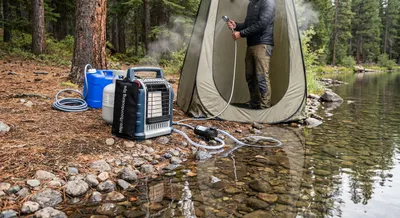
Portable Showers and Water Heating from Lake Sources
For bathing water, the risk tolerance is slightly different: you usually won’t drink it, but you will have prolonged skin and eye contact. It is wise...
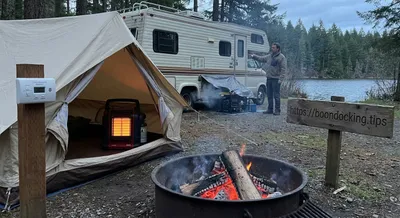
Fire, Carbon Monoxide, and Ventilation Risks by the Lake
Test your detectors often. Experts advise pressing the “test” button on each alarm at least monthly – or even every trip – to ensure the horn works...
Camp Stove
A camp stove is a small, portable cooking device that runs on various fuels like propane canisters, liquid fuel, or wood. Camp stoves let you boil water and prepare food when you are outdoors or away from a kitchen. They are designed to be efficient and lightweight, but they still create heat and fire that must be respected. Always set a camp stove on a flat, stable surface away from tents, overhanging branches, and flammable gear. Use the proper fuel and connectors, check for leaks, follow lighting instructions, and keep a windscreen or wind block in mind so flames stay controlled. Good ventilation is important because burning fuel produces carbon monoxide and other fumes, so do not use a stove inside an enclosed shelter. Extinguish flames completely and let the stove cool before packing it away, and store fuel safely to avoid spills or accidental ignition. Practicing leave-no-trace cooking — cleaning up spilled food and disposing of waste properly — helps protect wildlife and reduce wildfire risk. Knowing how to use a camp stove correctly keeps you fed, warm, and safe on outdoor trips while reducing the chance of accidents and environmental damage.
Get New Boondocking Research & Podcast Episodes
Subscribe to receive new research updates and podcast episodes about boondocking, off-grid camping, RV travel, van life, dispersed camping, campsites, gear, power, water, safety, and road trip planning.