Off-grid Energy
off-grid energy
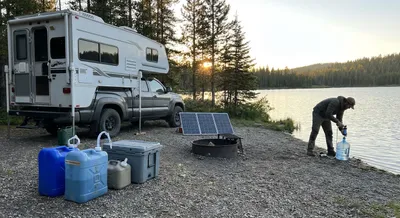
Multi-Week Lakeside Boondock Logistics: Resupply, Waste, and Water
If drinking water isn’t available on-site, be ready to trek to town or campsite showers periodically. Some campers drive to a boat ramp or general...
Off-grid Energy
Off-grid energy means producing and using electricity or heat without relying on a public utility network. Common ways to generate power off-grid include solar panels, small wind turbines, diesel or propane generators, and battery storage systems. An off-grid setup typically has components like energy sources, a storage medium such as batteries, controllers that regulate charging, and an inverter to turn stored power into usable electricity for appliances. Planning an off-grid system requires estimating how much power you need, choosing the right equipment, and thinking about backup options for cloudy days or calm winds. This matters because off-grid energy gives independence from utility outages, allows living in remote places, and can reduce long-term costs and environmental impact when designed well. It also forces you to be mindful about energy use and to prioritize efficient appliances and conservation. Maintenance, regular monitoring, and safe installation are important to keep systems reliable and to avoid hazards like battery fires or fuel spills. With reasonable planning, off-grid energy can provide a comfortable, resilient power supply for homes, cabins, and remote operations.
Get New Boondocking Research & Podcast Episodes
Subscribe to receive new research updates and podcast episodes about boondocking, off-grid camping, RV travel, van life, dispersed camping, campsites, gear, power, water, safety, and road trip planning.