Outdoor Safety
outdoor safety
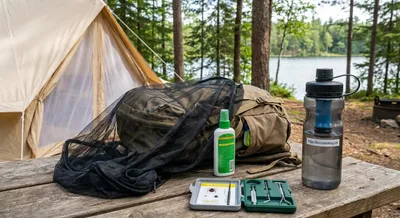
Managing Mosquitoes, Ticks, and Waterborne Illness
Natural lakes and rivers can harbor a range of pathogens, especially in summer. Common culprits include GI bacteria and parasites (like E. coli,...
Outdoor Safety
Outdoor safety means taking steps to protect yourself and others when you spend time outside, whether in a park, backyard, trail, or campsite. It covers a wide range of things like awareness of weather, staying hydrated, avoiding hazards on trails, and preventing bites from insects or contact with unsafe water. Being prepared includes having the right clothing, footwear, sun protection, and basic first-aid supplies. It also means knowing how to read the environment—watching for sudden storms, unstable ground, or wildlife—and making good decisions about when to continue or turn back. Simple habits such as telling someone where you are going, carrying a charged phone or map, and checking local advisories can make a big difference. For activities near water, cold temperatures, or steep terrain, extra precautions like wearing a life jacket or using trekking poles are important. Preventing insect bites, practicing food safety while cooking outdoors, and properly storing trash reduce the chance of illness or attracting animals. Learning basic first aid and how to get help if needed builds confidence and improves outcomes in emergencies. Overall, outdoor safety is about planning, paying attention, and making small choices that keep outings enjoyable and reduce the risk of injury or sickness.
Get New Boondocking Research & Podcast Episodes
Subscribe to receive new research updates and podcast episodes about boondocking, off-grid camping, RV travel, van life, dispersed camping, campsites, gear, power, water, safety, and road trip planning.