Waste Disposal
waste disposal
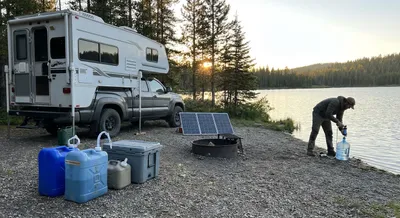
Multi-Week Lakeside Boondock Logistics: Resupply, Waste, and Water
If drinking water isn’t available on-site, be ready to trek to town or campsite showers periodically. Some campers drive to a boat ramp or general...
Waste Disposal
Waste disposal refers to the ways people deal with the by-products of living — everything from food scraps and packaging to human sewage and chemical wastes. It includes collecting, storing, treating, recycling, composting, burning, burying, or hauling waste away so it doesn’t build up around where people live. Different types of waste need different approaches: organic material can often be composted, recyclables should be separated, and hazardous items like batteries or chemicals need special handling. Safe storage and containment prevent smells and keep animals and pests away, while proper treatment reduces the risk of disease and environmental contamination. Why this matters is simple: poor waste handling creates health risks, attracts wildlife, pollutes soil and water, and can ruin the experience of an outdoor site. Responsible disposal protects human health and the natural areas people use, and it helps avoid fines or other legal problems in places with rules. Reducing the waste you create in the first place is often the easiest step, followed by using appropriate disposal methods for what remains. With a little planning and the right supplies, most waste can be managed without harm to people or the environment.
Get New Boondocking Research & Podcast Episodes
Subscribe to receive new research updates and podcast episodes about boondocking, off-grid camping, RV travel, van life, dispersed camping, campsites, gear, power, water, safety, and road trip planning.