Tick Prevention
tick prevention
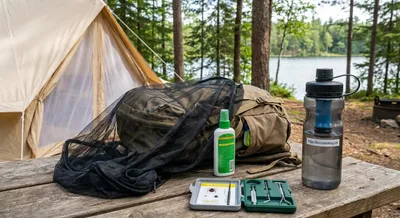
Managing Mosquitoes, Ticks, and Waterborne Illness
Natural lakes and rivers can harbor a range of pathogens, especially in summer. Common culprits include GI bacteria and parasites (like E. coli,...
Tick Prevention
Tick prevention means taking steps to avoid being bitten by ticks and to reduce the chances they attach to you, your family, or your pets. Ticks live in grassy, wooded, and brushy areas, so strategies include avoiding those habitats when possible, staying on clear trails, and not brushing against vegetation. Wearing long sleeves, light-colored clothing, and tucking pants into socks helps make ticks easier to spot and harder to reach skin. Using an appropriate insect repellent on skin and treating clothing and gear with a product made for fabrics can greatly lower the chance of attachment. Checking your body, clothing, and pets for ticks after spending time outdoors and removing any ticks promptly and correctly reduces the risk of infection. Landscaping choices, like keeping grass trimmed and creating a barrier between yards and wooded areas, can reduce tick populations around a home. Preventing tick bites matters because ticks can carry bacteria, viruses, and parasites that cause illnesses which range from short-term symptoms to longer health problems if not recognized and treated. Combining personal protection, pet care, and environmental steps gives the best protection against tick-borne diseases.
Get New Boondocking Research & Podcast Episodes
Subscribe to receive new research updates and podcast episodes about boondocking, off-grid camping, RV travel, van life, dispersed camping, campsites, gear, power, water, safety, and road trip planning.