Condensation Prevention
condensation prevention
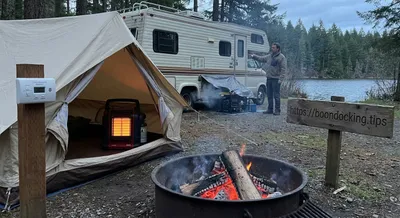
Fire, Carbon Monoxide, and Ventilation Risks by the Lake
Test your detectors often. Experts advise pressing the “test” button on each alarm at least monthly – or even every trip – to ensure the horn works...
Condensation Prevention
Condensation prevention means taking steps to stop water vapor in the air from turning into liquid on cool surfaces like windows, walls, or pipes. Condensation happens when warm, moist air meets a colder surface and gives up its moisture, which can lead to damp spots, mold growth, peeling paint, and damage to building materials. Preventing condensation helps protect the structure of a home or building and keeps indoor air healthier by reducing mold and mildew. Common ways to prevent condensation include improving ventilation so moist air can escape, using dehumidifiers to lower indoor humidity, and adding insulation or thermal breaks to keep surfaces warmer. Sealing gaps where cold air can enter and ensuring appliances that produce moisture are vented outside also reduce the chance of dampness forming. Regular maintenance, like fixing leaks and keeping vents clear, makes these measures more effective over time. Simple actions such as drying clothes outside when possible or using lids on pots while cooking can also cut down on indoor moisture. Paying attention to condensation prevention matters because it saves energy, extends the life of building materials, and protects the health of the people who live or work in the space.
Get New Boondocking Research & Podcast Episodes
Subscribe to receive new research updates and podcast episodes about boondocking, off-grid camping, RV travel, van life, dispersed camping, campsites, gear, power, water, safety, and road trip planning.