Water Purification
water purification
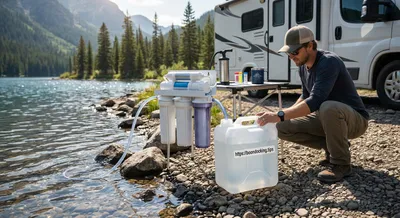
Water Safety 101: Treating Lake Water for RV Boondocking
Even before treating it, choose your intake carefully. Never scoop from the shoreline or shallow edges, where animal or human waste and runoff...
Water Purification
Water purification is the process of removing or killing harmful germs, chemicals, and particles so water is safe to drink. Raw water from rivers, lakes, wells, or even taps can carry bacteria, viruses, parasites, sediment, and sometimes industrial or agricultural pollutants. Purification matters because drinking contaminated water can cause stomach illness, long-term health problems, or worse in severe cases. Common methods include boiling, using filters that block particles and microbes, chemical disinfectants like chlorine or iodine, and ultraviolet light devices that inactivate organisms. Each method has pros and cons: boiling kills pathogens reliably but requires fuel, filters improve taste and remove particles but may not remove viruses without special membranes, and chemicals are lightweight but need the right dose and contact time. Choosing the right method depends on the water source, how much water you need, and what risks are present. After treating water, store it in clean, covered containers to keep it safe from recontamination. Regularly maintain and replace filter elements or follow manufacturer guidance for treatment devices to ensure they keep working. Knowing basic purification techniques is useful for travel, outdoor trips, emergency preparedness, and everyday safety.
Get New Boondocking Research & Podcast Episodes
Subscribe to receive new research updates and podcast episodes about boondocking, off-grid camping, RV travel, van life, dispersed camping, campsites, gear, power, water, safety, and road trip planning.