Boondocking
boondocking
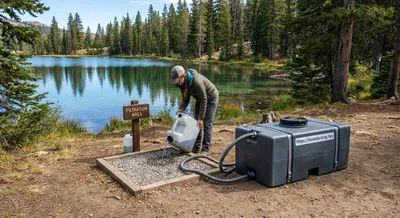
Greywater and Sewage Near Lakes: Eco-Safe Practices and Laws
Composting (Dry) Toilets: Modern composting or dry toilets (often waterless and odor-vented) use no flush water and separate solids and liquids....
Boondocking
Boondocking means camping or parking a recreational vehicle or van in a place without hookups or formal campsite services. It usually takes place on public lands, in remote areas, or in parking areas where facilities like water, electricity, and sewage are not provided. People choose it to get further off the beaten path, save money, and enjoy a more solitary outdoor experience. Because there are no services, you must be self-sufficient with power, water, food, and waste management. That makes planning important: bring extra water, carry a reliable power source, and know how you will handle solid and liquid waste. Boondocking matters because it lets people enjoy nature with a smaller footprint when done responsibly, but it can damage the environment if campers leave trash, dig fire pits, or dump waste. Rules for where you can stay vary by jurisdiction and landowner, so checking local regulations helps avoid fines or conflicts. Practicing leave-no-trace principles protects plants, wildlife, and water sources for others to enjoy. With good preparation and respect for the land, boondocking can be a rewarding way to travel and connect with nature.
Get New Boondocking Research & Podcast Episodes
Subscribe to receive new research updates and podcast episodes about boondocking, off-grid camping, RV travel, van life, dispersed camping, campsites, gear, power, water, safety, and road trip planning.