Propane Heater Safety
propane heater safety
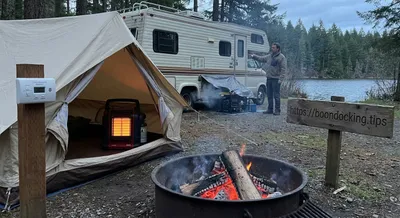
Fire, Carbon Monoxide, and Ventilation Risks by the Lake
Test your detectors often. Experts advise pressing the “test” button on each alarm at least monthly – or even every trip – to ensure the horn works...
Propane Heater Safety
Propane heaters burn compressed propane gas to produce heat and are popular because they give quick warmth and are often portable. Some are designed for outdoor use only, while others are made to be used indoors with proper ventilation and safety features. The main risks are leaks, carbon monoxide buildup, fire from nearby combustibles, and burns from hot surfaces. To use one safely, always read and follow the manufacturer's instructions and only use the correct regulator, hose, and fittings. Check for gas leaks before lighting by applying soapy water to connections or using a gas detector; never use a flame to check. Use heaters on a stable, level surface, keep flammable materials well away, and never leave a running unit unattended or while sleeping unless it is specifically rated for that use. Ensure good ventilation to prevent carbon monoxide buildup, and keep a working carbon monoxide detector nearby when using any fuel-burning device indoors. Store propane cylinders upright in a cool, ventilated place away from direct sunlight and never store spare tanks inside living spaces. Turn off the propane supply at the tank and allow the heater to cool before refueling or storing it. Regular maintenance and replacing worn hoses, regulators, or other parts can prevent dangerous failures. Learning these precautions matters because they reduce the chance of a fire, poisoning, or explosion, keeping you and others safer.
Get New Boondocking Research & Podcast Episodes
Subscribe to receive new research updates and podcast episodes about boondocking, off-grid camping, RV travel, van life, dispersed camping, campsites, gear, power, water, safety, and road trip planning.