Carbon Monoxide
carbon monoxide
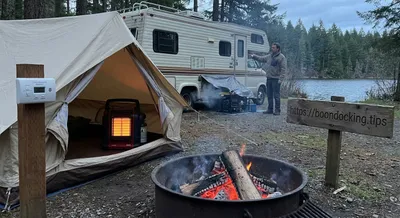
Fire, Carbon Monoxide, and Ventilation Risks by the Lake
Test your detectors often. Experts advise pressing the “test” button on each alarm at least monthly – or even every trip – to ensure the horn works...
Carbon Monoxide
Carbon monoxide is a colorless, odorless gas produced when fuels do not burn completely. It comes from sources like vehicle exhaust, gas furnaces, fireplaces, portable generators, and some heaters. Because you cannot see or smell it, people often do not realize they are exposed until symptoms start. In the body it binds to hemoglobin in the blood and prevents oxygen from reaching organs and tissues. Early signs of exposure include headache, dizziness, nausea, and confusion, and high levels can cause loss of consciousness or death. Carbon monoxide is a particular danger in enclosed or poorly ventilated spaces, where it can build up quickly. Prevention is simple but important: install and maintain carbon monoxide detectors, service fuel-burning appliances, and never run engines or portable heaters indoors. Proper ventilation, regular inspections of chimneys and vents, and following manufacturer instructions for heaters and generators reduce risk. If an alarm sounds or you suspect exposure, move to fresh air immediately and seek medical help, since symptoms can be subtle or delayed. Understanding this gas matters because a few simple precautions can prevent serious injury or death for you and your family.
Get New Boondocking Research & Podcast Episodes
Subscribe to receive new research updates and podcast episodes about boondocking, off-grid camping, RV travel, van life, dispersed camping, campsites, gear, power, water, safety, and road trip planning.