Emergency Evacuation
emergency evacuation
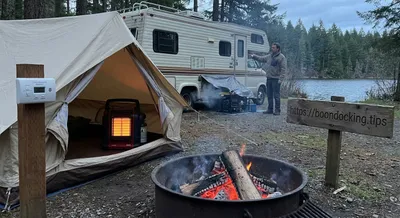
Fire, Carbon Monoxide, and Ventilation Risks by the Lake
Test your detectors often. Experts advise pressing the “test” button on each alarm at least monthly – or even every trip – to ensure the horn works...
Emergency Evacuation
An emergency evacuation is an ordered and organized process for leaving a dangerous area quickly and safely when there is an immediate threat like fire, flooding, or another hazard. It involves following a plan that identifies the safest routes out, designated meeting points, and steps for accounting for everyone who was in the affected space. Good evacuation planning includes clear signage, regular drills so people know what to do, and special arrangements for children, older adults, or people with mobility or communication needs. During an evacuation you should stay calm, follow instructions from authorities or trained personnel, move quickly but carefully, and avoid using elevators if there is fire or structural damage. Having a small emergency bag with essentials, such as important documents, medications, and a flashlight, can make leaving safer and less stressful. Communication is important too—know how officials will share updates and have a way to let family or team members know you are safe. After reaching the safe meeting place, wait for instructions before returning and inform responders if someone is missing. Emergency evacuation plans matter because they reduce confusion, prevent injuries, help first responders do their jobs, and most importantly, save lives.
Get New Boondocking Research & Podcast Episodes
Subscribe to receive new research updates and podcast episodes about boondocking, off-grid camping, RV travel, van life, dispersed camping, campsites, gear, power, water, safety, and road trip planning.