Greywater Disposal
greywater disposal
Greywater and Sewage Near Lakes: Eco-Safe Practices and Laws
Composting (Dry) Toilets: Modern composting or dry toilets (often waterless and odor-vented) use no flush water and separate solids and liquids....
Greywater Disposal
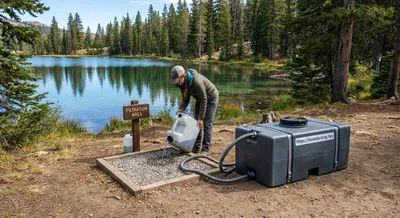
Greywater disposal is how water from sinks, showers, bathtubs and washing machines is handled after use. This water is different from sewage because it usually does not include toilet waste, but it still carries soap, food particles, oils, hair and sometimes traces of cleaning chemicals. Because it contains these contaminants, letting greywater flow untreated into the environment can harm plants, soil and nearby lakes or streams. Proper handling or treatment helps prevent pollution while offering opportunities to reuse water for nonedible gardens or toilet flushing in some situations. Safe practices for greywater include filtering out solids, using mild detergents, directing water to mulch or constructed beds and keeping it away from drinking water sources and edible crops. Allowing greywater to soak into the ground in the right place can help break down some impurities and support soil moisture, but the system must suit the soil and local rules. Poor disposal can clog systems, spread bacteria or let nutrients and chemicals reach waterways and wildlife. For indoor or long-term reuse, simple treatment units or professional installations are safer and are often required by law, so learning local regulations is an important first step.
Get New Boondocking Research & Podcast Episodes
Subscribe to receive new research updates and podcast episodes about boondocking, off-grid camping, RV travel, van life, dispersed camping, campsites, gear, power, water, safety, and road trip planning.