Chlorine Dioxide
chlorine dioxide
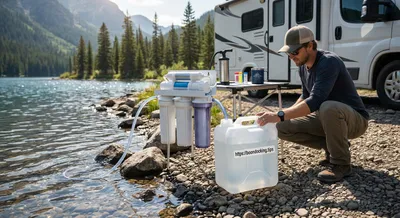
Water Safety 101: Treating Lake Water for RV Boondocking
Even before treating it, choose your intake carefully. Never scoop from the shoreline or shallow edges, where animal or human waste and runoff...
Chlorine Dioxide
Chlorine dioxide is a powerful chemical used to kill bacteria, viruses, and other microbes in water and on surfaces. It is an oxidizing disinfectant, which means it destroys contaminants by changing their chemical structure rather than simply coating them. Unlike ordinary chlorine, chlorine dioxide works well across a range of pH levels and tends to create fewer of the harmful chlorinated byproducts that can form when chlorine reacts with organic matter. It is often used in drinking water treatment, food processing, and hospital disinfection because of its strong antimicrobial action. Chlorine dioxide is usually produced on site or supplied as a stabilized solution because it is unstable and can be dangerous if handled improperly. Proper dosing matters: too little won’t disinfect effectively, and too much can be unsafe or give the water an unpleasant taste or odor. When used correctly, it can control biofilms and reduce odors and discoloration in water systems. Safety precautions include avoiding inhalation, preventing skin contact with concentrated forms, and storing reactants separately to prevent accidental generation. For household or recreational use, it’s important to follow manufacturer instructions or public health guidance rather than attempting to mix chemicals yourself. Overall, chlorine dioxide is a useful tool for making water and surfaces safer when used with care and the right equipment.
Get New Boondocking Research & Podcast Episodes
Subscribe to receive new research updates and podcast episodes about boondocking, off-grid camping, RV travel, van life, dispersed camping, campsites, gear, power, water, safety, and road trip planning.