Biodegradable Soap
biodegradable soap
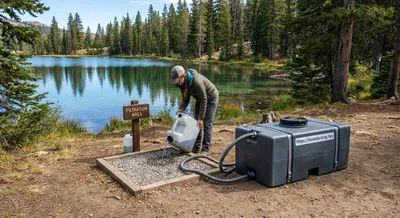
Greywater and Sewage Near Lakes: Eco-Safe Practices and Laws
Composting (Dry) Toilets: Modern composting or dry toilets (often waterless and odor-vented) use no flush water and separate solids and liquids....
Biodegradable Soap
Biodegradable soap is a cleaning product designed to break down naturally over time by microbes like bacteria and fungi. Manufacturers make these soaps so their ingredients are easier for the environment to decompose than those in conventional soaps. Common examples include plant-based dish soap and gentle body cleansers labeled as biodegradable. The term means the product can be broken down, but it does not mean the soap is harmless in every situation. Breakdown depends on factors like water temperature, sunlight, soil microbes, and how concentrated the soap is. Used close to streams, lakes, or wetlands even biodegradable soap can harm aquatic life if allowed to enter the water untreated. For that reason, experts recommend using small amounts of biodegradable soap and washing at least 200 feet away from water sources. Pouring graywater into a dispersed area where it can soak into the soil helps microbes finish breaking the soap down. Also read labels carefully; some products claim to be biodegradable but contain ingredients that are slow to degrade or toxic to wildlife. Choosing the right product and using it responsibly reduces pollution and helps protect plants, animals, and the places you visit.
Get New Boondocking Research & Podcast Episodes
Subscribe to receive new research updates and podcast episodes about boondocking, off-grid camping, RV travel, van life, dispersed camping, campsites, gear, power, water, safety, and road trip planning.